Magong Must-Eat Dining Spots: From Braised Seafood Udon to Japanese Donburi
In a restaurant market obsessed with traffic and social media buzz, some diners care more about honest flavors and peace of mind. Nuanwan Shitang leads with a clear donburi lineup, making it one of the go-to lunch spots for local office workers.
Made-to-Order Penghu Japanese Cuisine: Crafting Great Flavor in Affordable Donburi
In a restaurant market where traffic and social media topics reign supreme, some people actually care more about honest flavors and eating without worry, rather than elaborate presentation or online exposure. Especially in Magong City, with its diverse dining options, if you want a Japanese place that's clear on pricing, makes food fresh, and is easy for both dine-in and takeout — being able to decide quickly matters more. Nuanwan Shitang leads with donburi, pricing dishes between NT$119 and NT$299, with a clear identity, making it one of local office workers' go-to weekday lunches among Penghu's affordable donburi options.
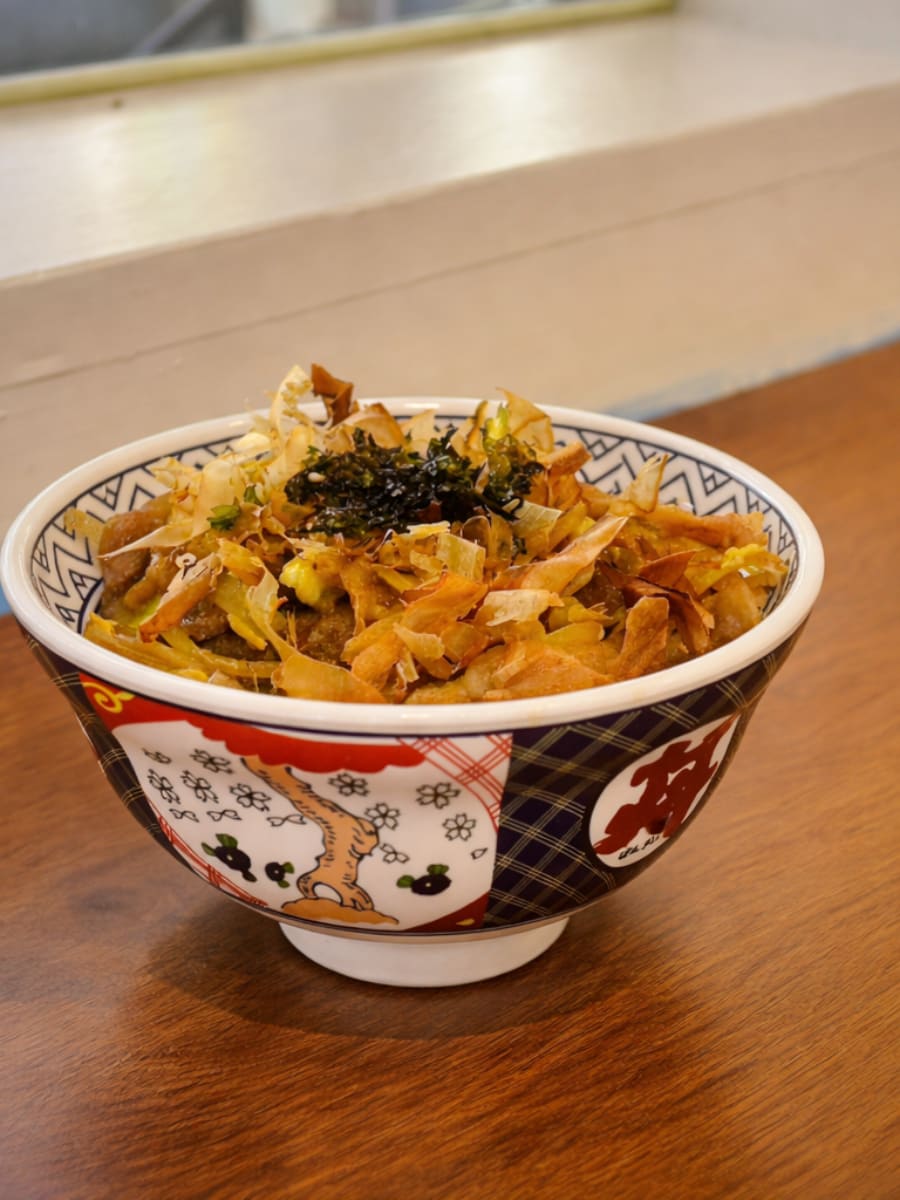
One of the most popular items is the teriyaki beef bowl. The broth is simmered from pork bones and vegetables, and the sauce is adjusted to a slightly sweet-savory profile, refined through repeated in-house testing — with a flavor profile that goes down easy and doesn't tire you out. The founder laughs: "Both the broth and sauce are homemade — at least I can drink it confidently, and I hope customers feel the same." Food is made to order, so there's a short wait, but it arrives hot and in great condition. For diners who value taste and fair pricing, this kind of donburi easily becomes a daily go-to.
A Quiet Presence Among Magong's Japanese Dining and Penghu's Food Scene
Both the broth and sauce are made in-house with the owner's own recipe ratios — the foundational flavor of all Japanese dishes at the restaurant
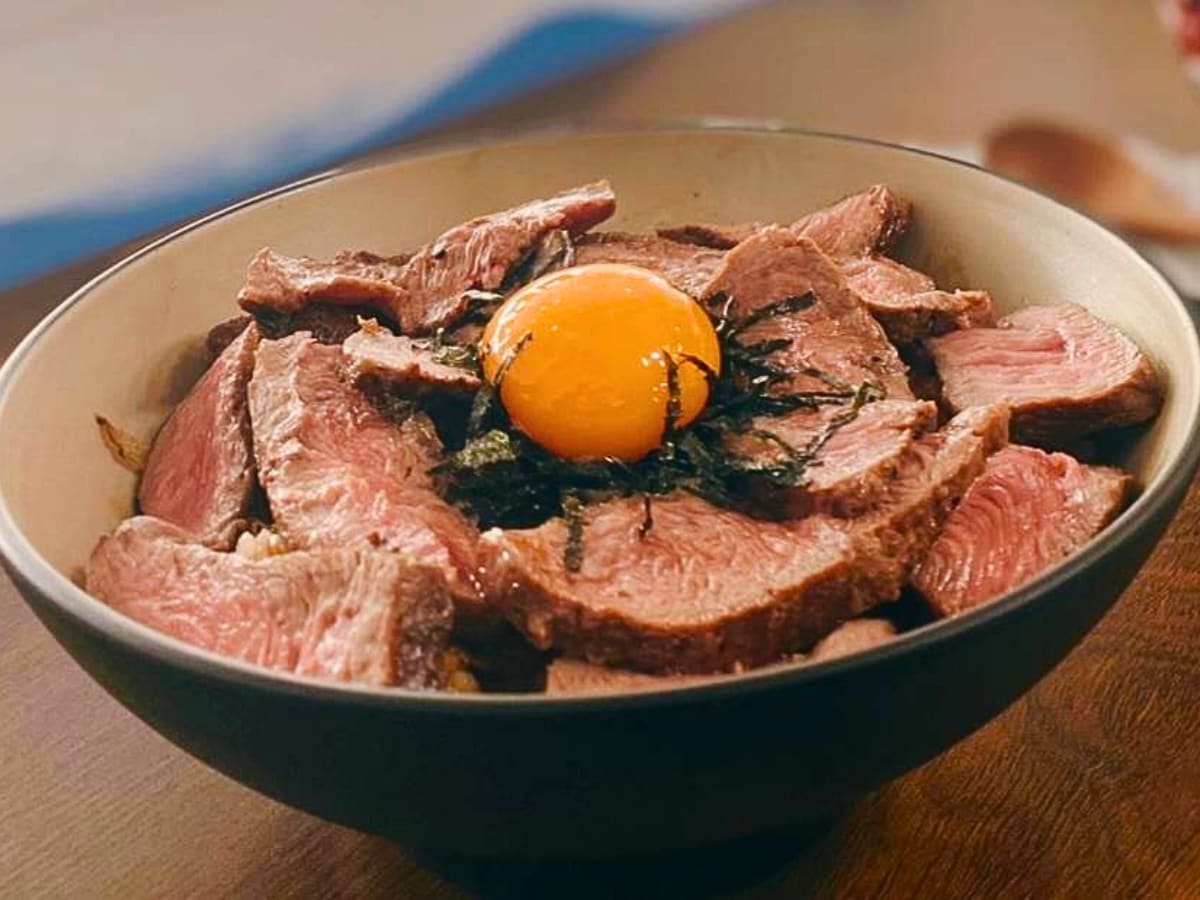
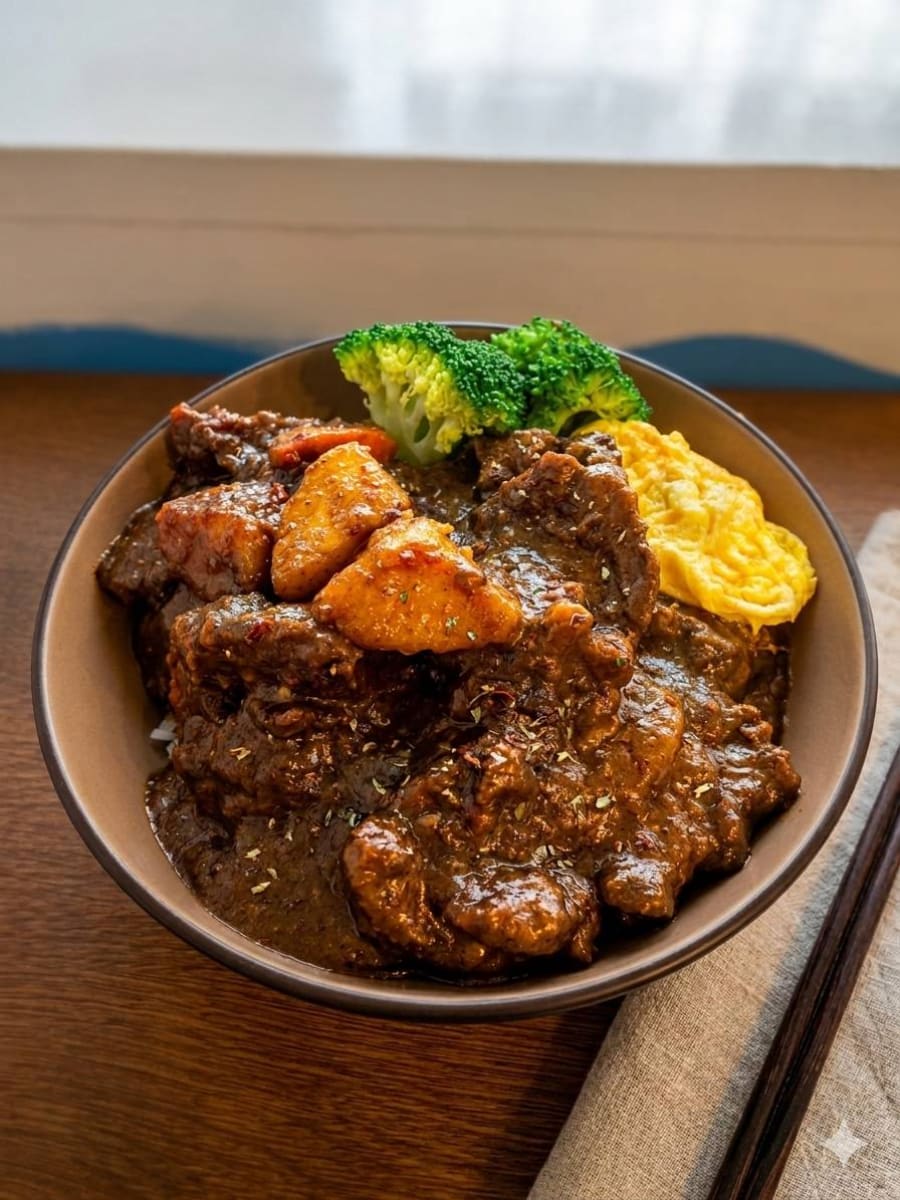
Some shops prioritize speed, but Nuanwan Shitang still cooks at its own pace. As a Japanese restaurant in Magong, most main dishes are priced between NT$119 and NT$169, up to NT$299, with clear items and transparent pricing. For example: teriyaki pork bowl NT$119, teriyaki beef bowl NT$129, teriyaki lamb bowl NT$149, tonkatsu bowl and teriyaki chicken bowl NT$169; for those wanting a bigger portion, there's the tsukimi beef steak bowl at NT$299 and braised seafood udon at NT$219. The overall positioning is everyday casual dining, letting customers make quick decisions upon entering.
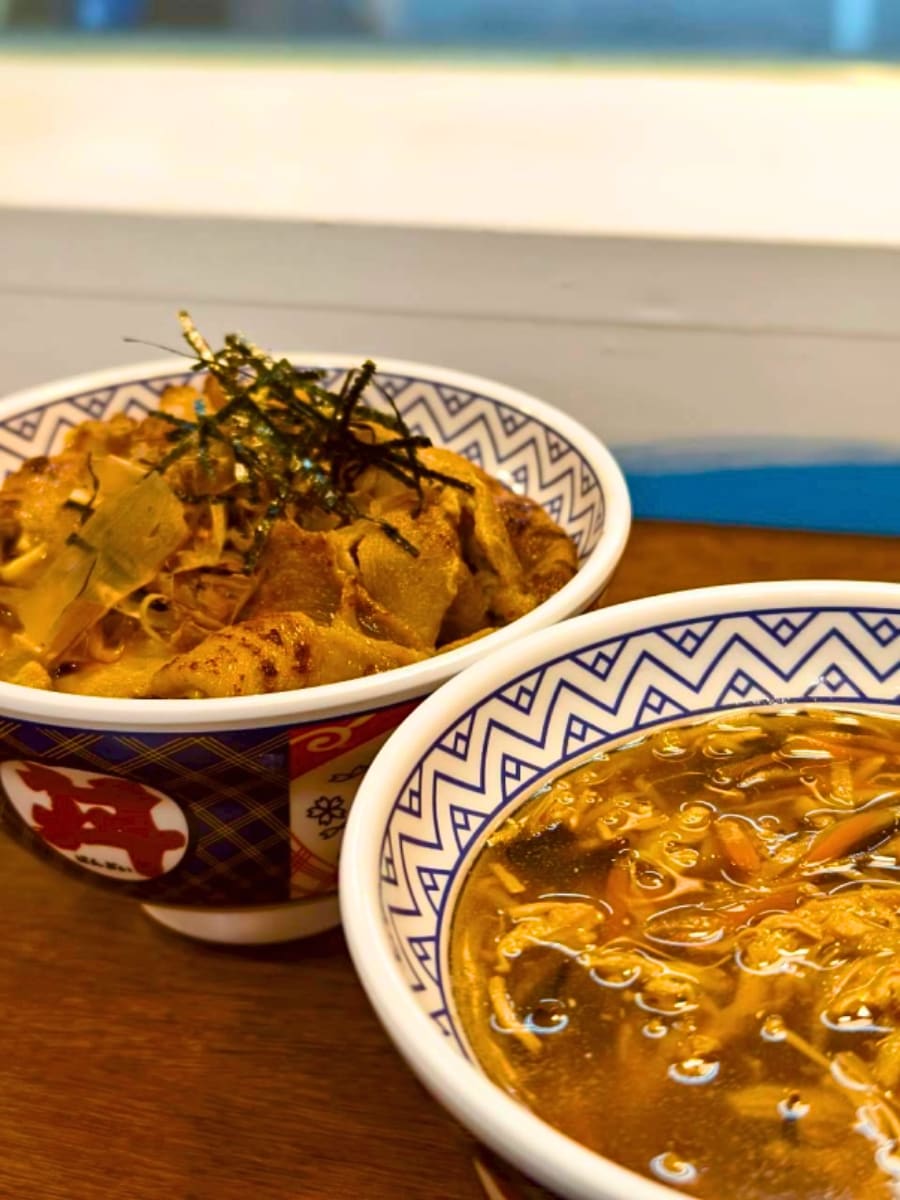
Beyond the mains, the shop also offers NT$25 side dishes like sesame spinach, spicy burdock, citrus-pickled cucumber, and sweet soy black beans; NT$50 hot-and-sour soup and stir-fried vegetables make easy meal combos. At around NT$100, having donburi in Magong isn't a burden. The shop takes a simple approach, only aiming to prepare each dish with care and serve it hot.
Family and Pet-Friendly: Woven into Penghu's Local Snack Culture and Takeout Routine
Japanese meals for just over NT$100 have become part of everyday life for Magong residents — an easy, accessible treat
The shop provides children's tableware and welcomes pets (as long as they don't disturb other guests), so families and pet owners can both dine comfortably. In addition to dine-in, they offer Penghu takeout, letting busy office workers quickly grab food on the go or bring it home to share with family.
Though the focus is on Japanese donburi, in a Penghu environment rich with local snack options, Nuanwan Shitang's simple, transparent pricing and made-to-order approach has resonated with many nearby residents. For those living in the neighborhood, when they don't know what to have for lunch, it naturally cycles into their options. No special promotion — yet because it's convenient and tastes good, a loyal group of regulars has quietly formed.
Among Penghu's Food Tourism Options, Building Trust Through Returning Regulars
Side dishes and soups can be freely mixed and matched — great for a light lunch or a more elaborate dinner
Penghu has plenty of dining options, from seafood to local snacks, each with its loyal following. Nuanwan Shitang didn't specifically target tourists, yet diners from out of town are often seen during meal hours. Some, having enjoyed the food, come back several days in a row; some locals have bluntly said: "I'm glad the owner opened a place here — otherwise I really wouldn't know what to eat." For the founder, this kind of feedback is more meaningful than any promotion, and it's become a key motivation to keep going.
Regarding future plans, he says he hopes to gradually add new dishes to the existing Penghu Japanese cuisine foundation — possibly expanding into Chinese-style flavors — and to introduce limited seasonal events for more variety. But the premise remains unchanged: consistently make every dish well. Whether you're a traveler visiting Penghu or a local just looking for a simple meal, this is a place he hopes you'll feel comfortable dropping by.